
How is a dermoscopy mole evaluation performed safely is a common question among individuals who want accurate skin assessments without invasive procedures. This non-invasive technique has become a trusted approach for examining moles and pigmented skin lesions in clinical settings. In regions where advanced dermatological care is widely accessible, Dermoscopy Mole Evaluation in Dubai is increasingly chosen for its precision and patient-friendly nature, with facilities such as Dynamic Life Clinic offering this assessment as part of routine skin health evaluations.
Understanding Dermoscopy Mole Evaluation
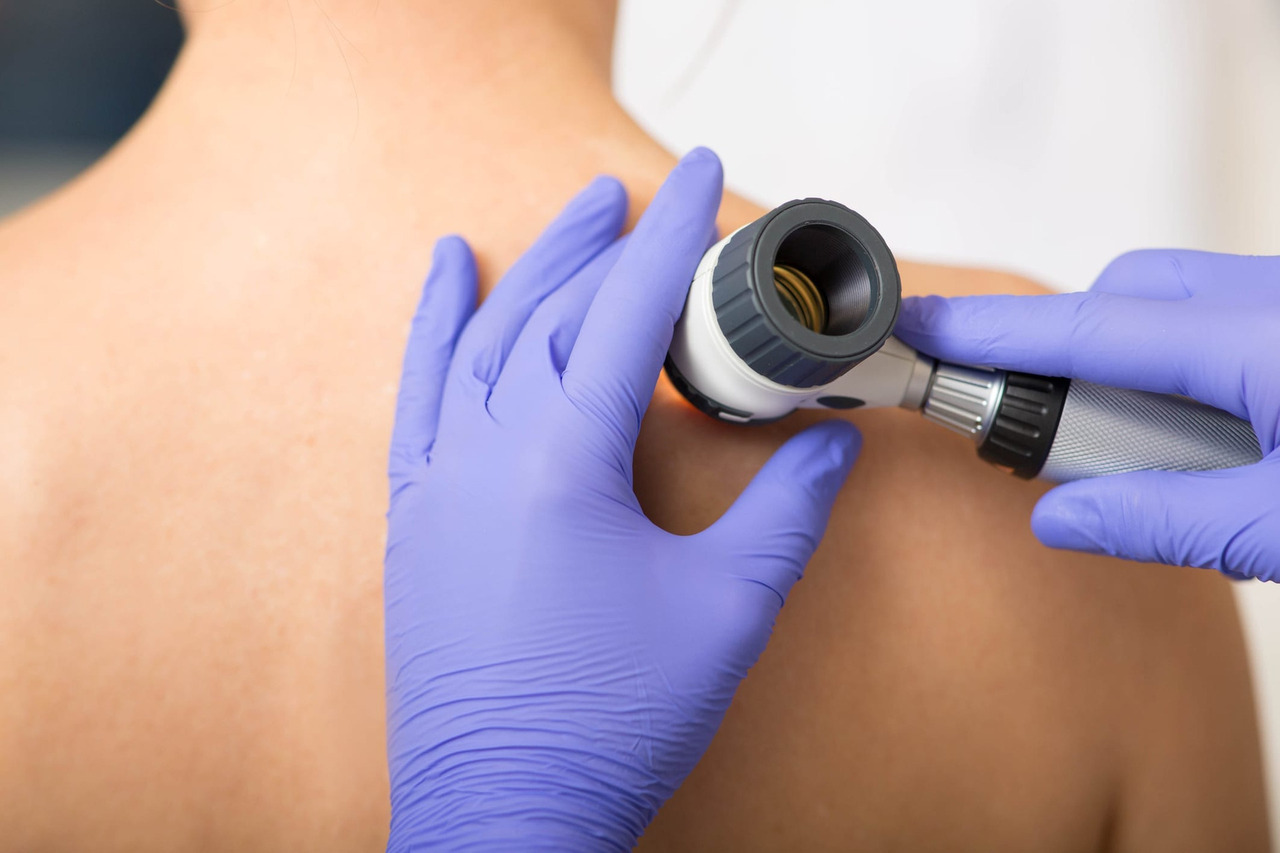
Dermoscopy is a specialized visual examination that allows trained professionals to observe skin structures not visible to the naked eye. It uses magnification and polarized light to analyze pigmentation patterns, borders, and colors within a mole. This method supports early identification of atypical features while avoiding unnecessary skin trauma.
Why Safety Matters in Mole Evaluation
Safety is a core aspect of dermoscopy because it is performed directly on the skin. A safe evaluation minimizes infection risks, avoids discomfort, and ensures reliable results. The technique does not break the skin barrier, making it suitable for repeated monitoring of moles over time without adverse effects.
Step-by-Step Process of a Safe Dermoscopy Evaluation
A dermoscopy mole evaluation follows a structured approach designed to maintain hygiene and accuracy:
- The skin area is cleaned gently to remove oils or surface debris
- A dermatoscope is placed lightly against the skin or held just above it
- Polarized or non-polarized light is used to illuminate the mole
- Visual patterns are assessed in real time
- Images may be captured for documentation and follow-up comparisons
Each step is performed carefully to ensure the skin remains intact and comfortable throughout the evaluation.
Tools Used for Dermoscopy and Their Role in Safety
The dermatoscope is a handheld optical device specifically designed for skin examination. Modern dermatoscopes often include digital imaging capabilities, allowing detailed visualization without physical pressure. Their smooth surfaces and controlled lighting contribute to a safe, hygienic assessment process.
What Makes Dermoscopy Non-Invasive and Reliable
Unlike biopsy-based methods, dermoscopy does not involve cutting or sampling the skin. This non-invasive nature eliminates bleeding, scarring, and recovery time. Reliability comes from standardized visual criteria used to interpret mole structures, supporting consistent evaluations across different skin tones and types.
Who Can Benefit from Dermoscopy Mole Evaluation
Dermoscopy is suitable for a wide range of individuals, including:
- People with multiple or changing moles
- Individuals with sun exposure history
- Those seeking routine skin monitoring
- People with sensitive skin who prefer non-invasive assessments
This flexibility makes dermoscopy a practical option for preventive skin care and ongoing observation.
Role of Hygiene and Clinical Protocols
Safe dermoscopy relies on strict hygiene standards. Devices are cleaned between uses, and disposable covers may be used when appropriate. Proper lighting conditions and controlled environments further enhance both safety and diagnostic clarity.
Dermoscopy in the Context of Skin Health Awareness in Dubai
With increased awareness of skin health, Dermoscopy Mole Evaluation in Dubai aligns with modern preventive care practices. The method supports early detection strategies while fitting seamlessly into routine dermatological checkups, reflecting a broader emphasis on non-invasive diagnostic technologies.
Conclusion
A dermoscopy mole evaluation is performed safely through a combination of non-invasive technology, standardized examination steps, and strict hygiene protocols. By allowing detailed visualization without harming the skin, dermoscopy supports accurate mole assessment and ongoing skin monitoring, making it a trusted approach for individuals seeking reliable and patient-friendly skin evaluations.